
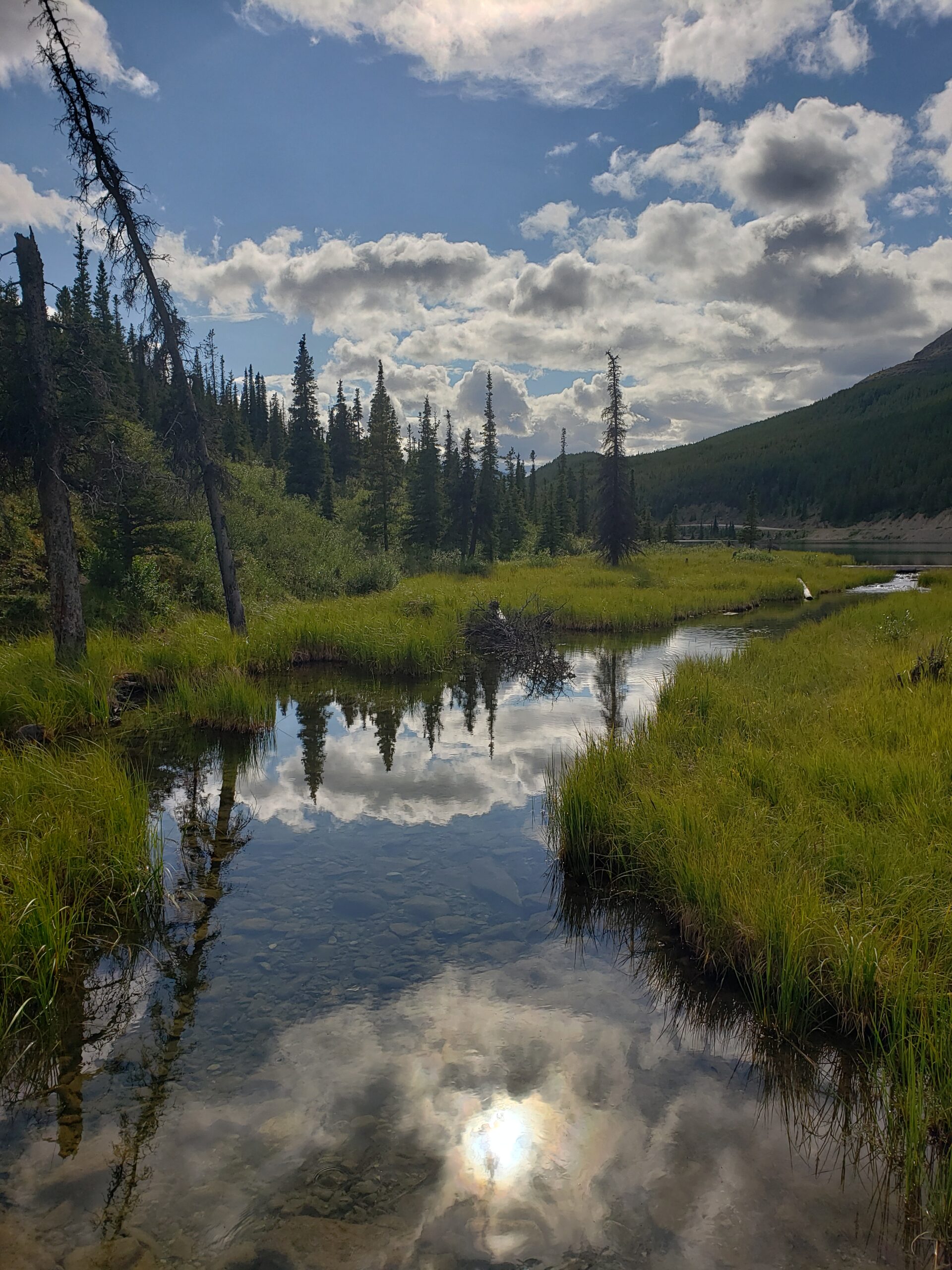
Each of the four elements corresponds to an aspect of ourselves. Whereas Earth is associated with our physical and material well-being, Water connects to our emotions. Throughout my journey of observing and learning from the four elements, Water has taught me important lessons about flow and ease. Most importantly, by observing Water, I could understand emotional regulation more deeply. In this article, together we’ll explore how Water’s lessons can impact us personally and in the community.
A Brief and Incomplete Exploration of The Elements of Self
If this is your first time hearing about Elements of Self (the Vibrant Systems video course) or elemental self-care, you may be asking yourself, “How can we learn about emotional regulation from water?” It’s a valid question. Many of us first learn terms like emotional regulation from psychology, therapists, or at least friends who are in therapy.
The four elements have been used to understand the self for thousands of years. In tarot, each of the suits is associated with an element. This elemental association deepens the significance of each card. In the Medicine Wheel–a teaching held by many First Nations peoples across Turtle Island–balancing the whole self requires an understanding of our body, emotions, mind, and spirit, which are each represented by one of the four elements.
Note: The Medicine Wheel teachings are expansive and extend beyond the four elements. To learn more, I recommend seeking out Indigenous teachings. Always be respectful and express gratitude when receiving these teachings.
So, before psychology, therapists, and terms like emotional regulation, the four elements were already modelling balance and wholeness for us. Humans were already observing and learning from them
One of the things I find the most incredible about elemental self-care is that the aspects of self are always connected to the same elements. It isn’t as if the Italians and creators of tarot were associating Water with emotions, while First Nations on Turtle Island connected Water to our spirit in the Medicine Wheel. Across time and space, these connections have mirrored one another. In anthropology or folklore, this kind of mirroring indicates a deep ancestral understanding that transcends time and space.
How Is Water Like Our Emotions?
Now, let’s talk about Water. How can Water teach us about emotional regulation? How can Water teach us about self-care?
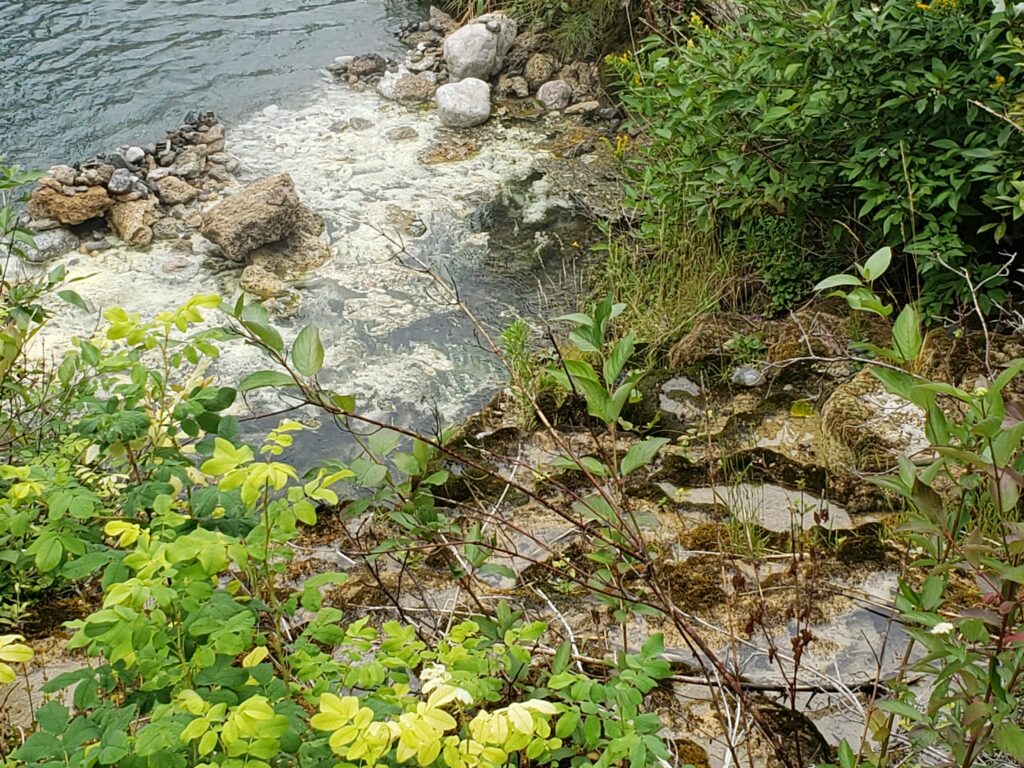
Water flows. It seeks the path of ease. It can be directed, dammed up, or dried. In an ecosystem that is used to a regular cycle of rain or snow, a lack of water can have catastrophic consequences. Likewise, if an ecosystem like a wetland or riverbank is destroyed, those areas can flood more severely from regular water flow than if they had been left untouched.
I always say that the breaking of the dam (pun intended) for myself when it came to reaching out to the four elements for guidance, came when I felt so emotionally flooded all the time, that I was desperate for Water to teach me something.
The Water did.
At this time in my life, I had very little emotional regulation. I was overwhelmed, burnt out, and living a life in opposition to my core values. My self-care routines and practices were uprooted–much like a destroyed wetland–and so when my powerful emotions did show up, they had a way of flooding everything.
I was so worried about the destruction that I felt like I was causing for the people I cared about.
The Water reminded me that the natural flow of my emotions wasn’t wrong. I had been beating myself up for being too sensitive, and I wished I could turn off the tap to my emotions. But, just like a wetland isn’t wrong for being wet, the Water showed me that my emotions–the fullness and depth of them–were also not wrong. I just needed to start looking at my life in wholeness.
Emotional regulation isn’t about repressing our emotions. Rather, it is a shift that helps us soothe and calm ourselves. Emotional regulation is a body practice, just as much as it is a mind practice, because our emotions flow just like water flows.
The emotional regulation would come when I restored my personal balance–my ecosystem.
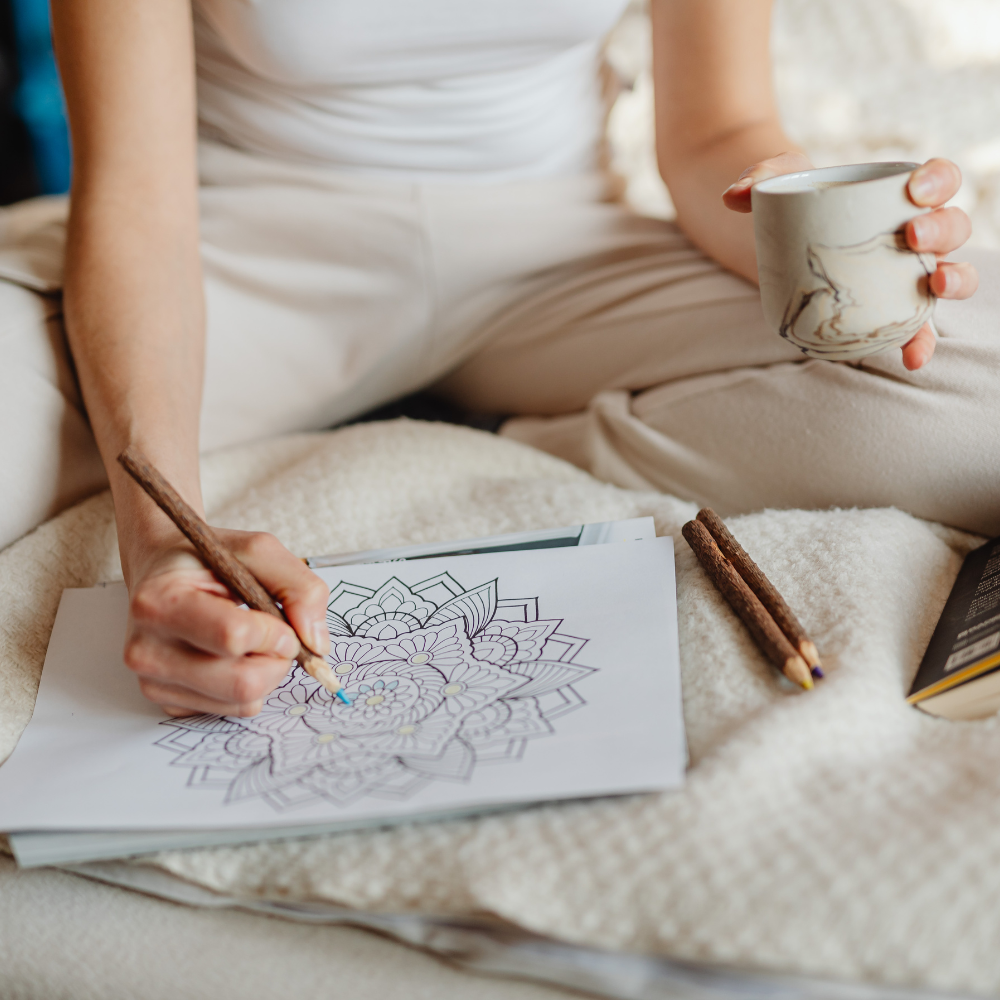
Shockingly (not-so-shockingly), this perspective shift is what ignited the slow and fundamental transformation of my entire life. Self-care shifted from “just another thing to check off my to-do list” to a foundational part of maintaining balance. Learning from the Water about my emotional regulation soon opened the door to learn from the other Elements of Self, too.
As I built my capacity for emotional regulation again, from a place of love and respect for my unique balance, it became clear to me that I was surrounded by people who didn’t appreciate my authenticity.
This meant I had to make some difficult decisions, leaving behind those who did not support my growth.
However, two years later from that day that I first turned to the Water for guidance, I do not regret the transformations my life has undergone.
Can Water Teach Us About Community Too?
As I learned more about the four elements and how they can teach us about self-care and personal balance, I wondered how we could incorporate them into a new understanding of community.
This required a different perception of how Water has supported humanity through the ages.
The first relationship that came to mind is the fact that waterways, for thousands of years, have been the pathways that have connected people over large distances. From the ocean to the rivers, Water was a connector that enabled long-distance trade and exploration. Water helped us meet people different from ourselves and build mutual relationships with them.
Our emotions also facilitate deeper connections and exchanges with others in our community.
But if those waterways are blocked or dried up, those connections are broken. If our emotions are seen as unacceptable, how can we authentically connect to others in our community?
In the work I do as a Community Mentor, I strive to create spaces where emotions are not just accepted but celebrated. This involves an intentional breaking down of the social expectations we hold around emotions, because many of us have been raised in families and communities where only some emotions are acceptable. Public displays of grief or outrage are often punished or ostracized. Many of us are intensely uncomfortable when we see emotional reactions in public spaces. This is because these connection pathways have been eroded over generations.
And, much like a wetland that’s been destroyed or an ecosystem that’s experienced years of drought, those emotional reactions can feel as destructive as a flood. The initial instinct is to hide them–to manage them. We put people in isolation because we say “you need privacy to feel this”, but really it’s a reflection of our own distress.
This was not always how humans have felt collective emotions. When we hide emotions, rather than allow ourselves space in community to feel them fully, they create internal blocks towards action and adaptation. Our fears, sorrow, and anger can derail the best laid plans if we don’t take the time to acknowledge and release them–to let them flow like the Water.
How Vibrant Systems Creates Intentional Emotional Flow
To be fair, emotional regulation is very important in communities, too. I am not suggesting that we should have community spaces where people can act impulsively and destructively on a whim. However, the perception of what is actually destructive vs what is uncomfortable to witness needs to be addressed.
Additionally, when we practice letting our emotions flow and honour the connections they facilitate, emotional regulation becomes much more feasible. In my experience, my biggest emotional floods came from not feeling heard or seen in my distress, and so my emotions grew and grew until they were undeniable. When I didn’t practice self-care, I was also neglecting to witness my own emotions.
Creating communities that honour and allow emotional displays is also like restoring a wetland, because we are creating a shared ecosystem that naturally holds the emotions so they don’t become destructive.
Whereas personal emotional regulation becomes possible through self-care, collective emotional regulation needs community care.
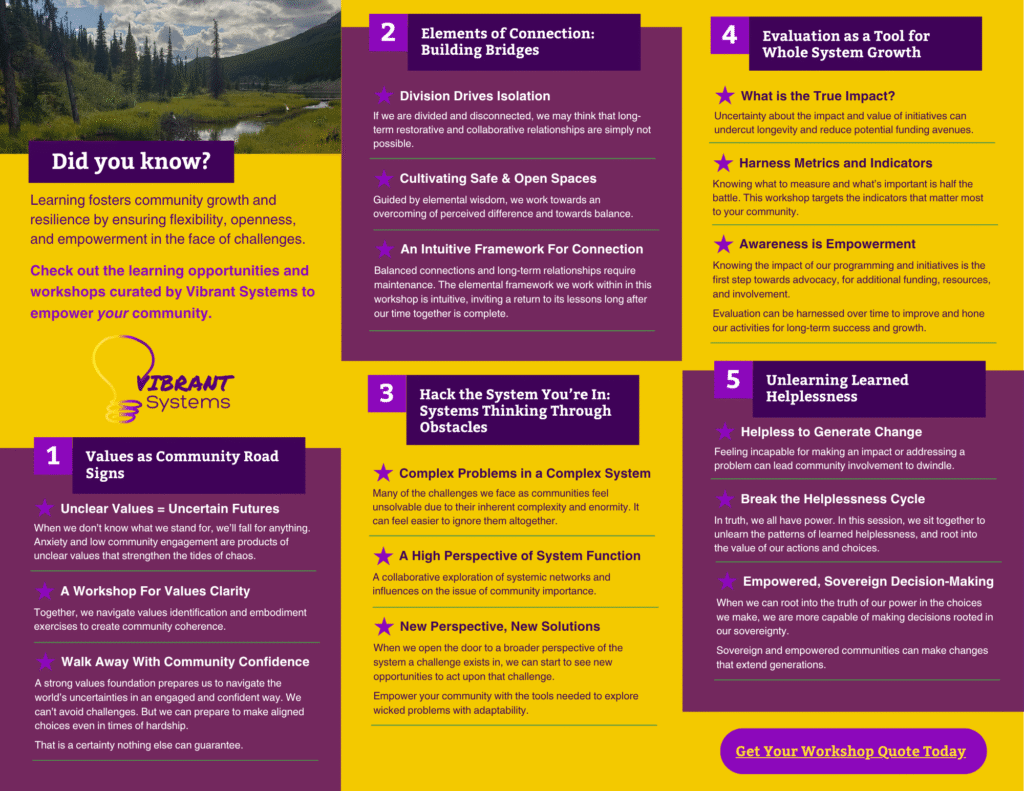
This is exactly why I host Facilitated Workshops that incorporate the lessons of the four elements on a community level. Elements of Connection changes the lens through which we view community, and reminds us that the aspects of ourselves are just as natural as the ecosystems we’ve built on. The key to resilience and adaptation isn’t to destroy the ecosystems to create our own world on top of them, but to integrate and work with their ecological services in harmony.
By creating communities that regularly integrate emotional regulation practices, we strengthen our capacity for distress tolerance, resilience, and our ability to plan even when reality feels uncertain.
If you’d like to work with Vibrant Systems, explore the full Community Mentorship packages or Get A Quote for one of my facilitated workshops.
Let’s make your story a vibrant one!
No responses yet